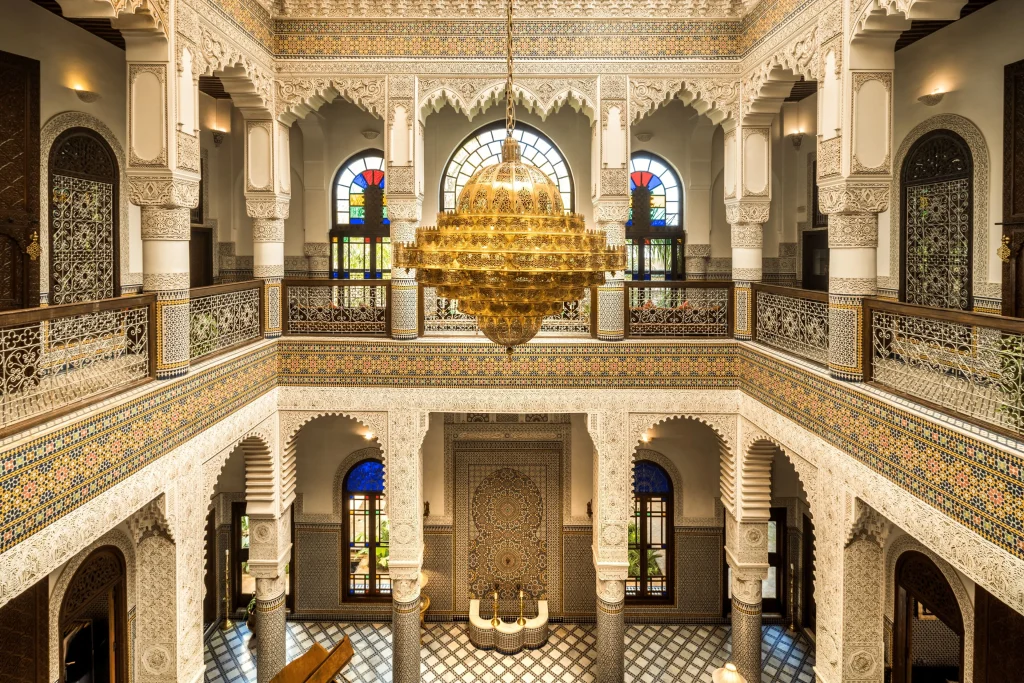
Some hotels weren’t always hotels. They started as family homes, merchant palaces, and noble residences — buildings made to last forever. Now they welcome travelers into spaces where every tile has a story.
Riad Fès – Fès, Morocco
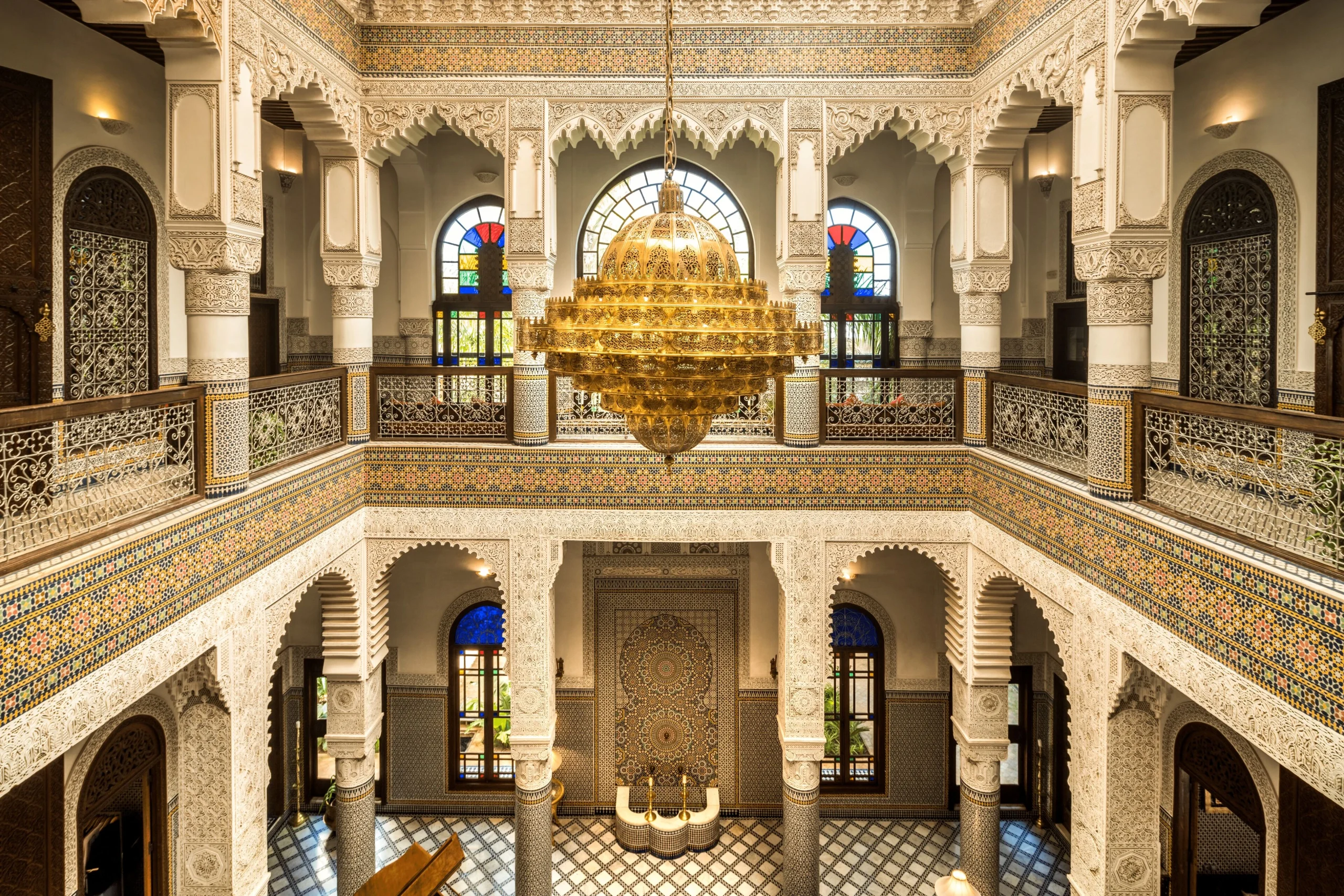
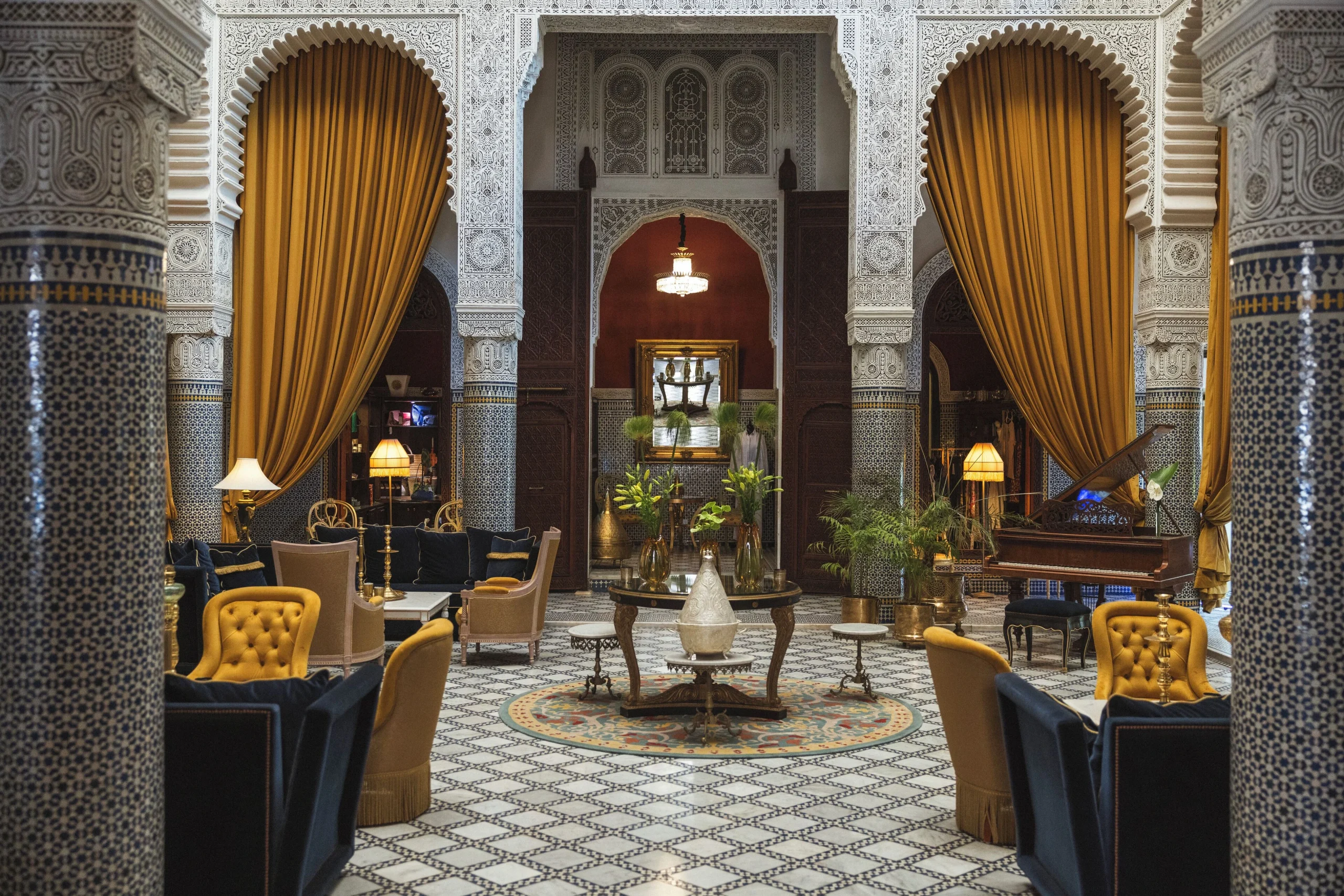
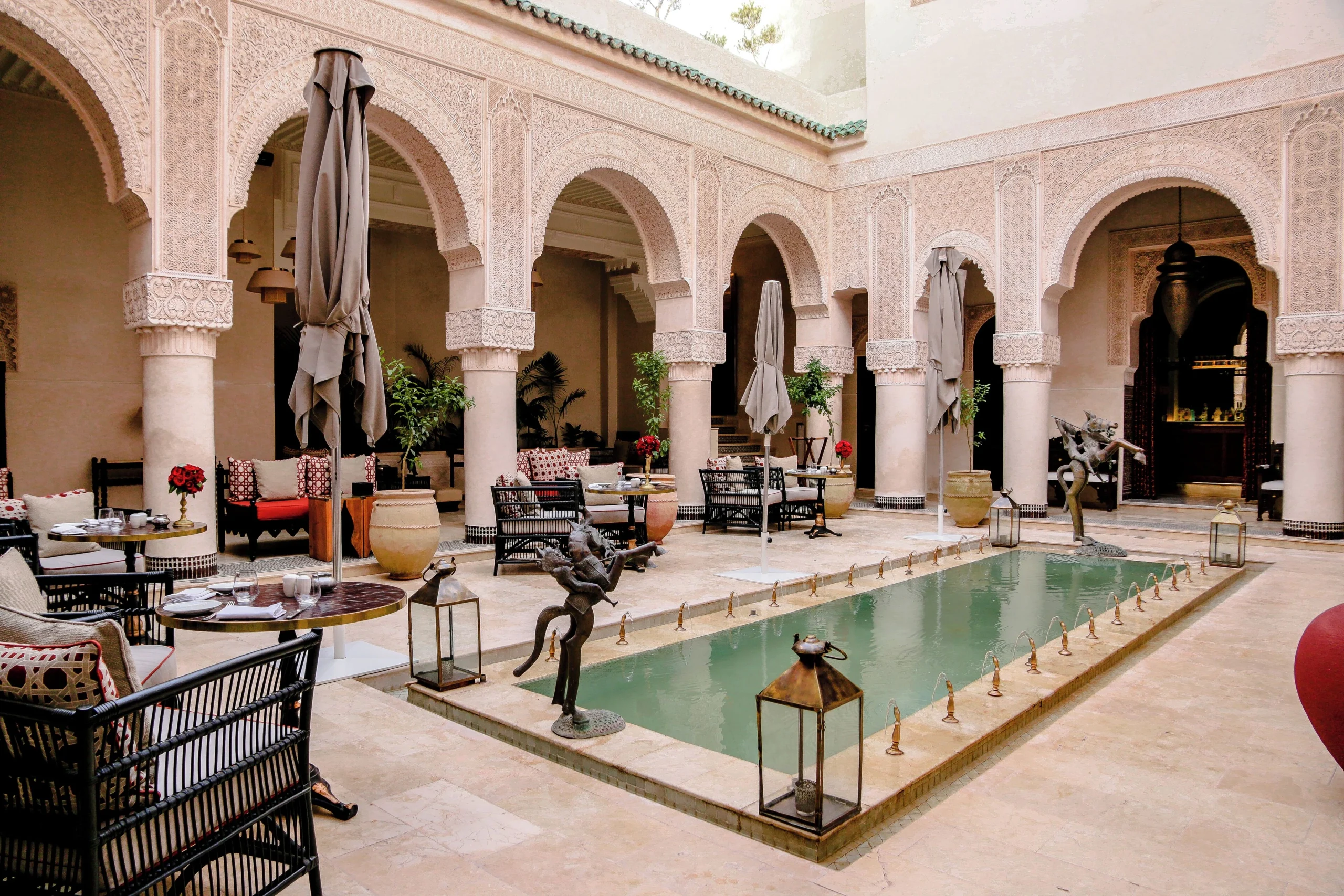
Behind a simple door in Fès, a 300-year-old house opens into a peaceful courtyard. Colorful tiles cover the walls in patterns that took months to make. A fountain sits in the center, cooling the air just like it did centuries ago.
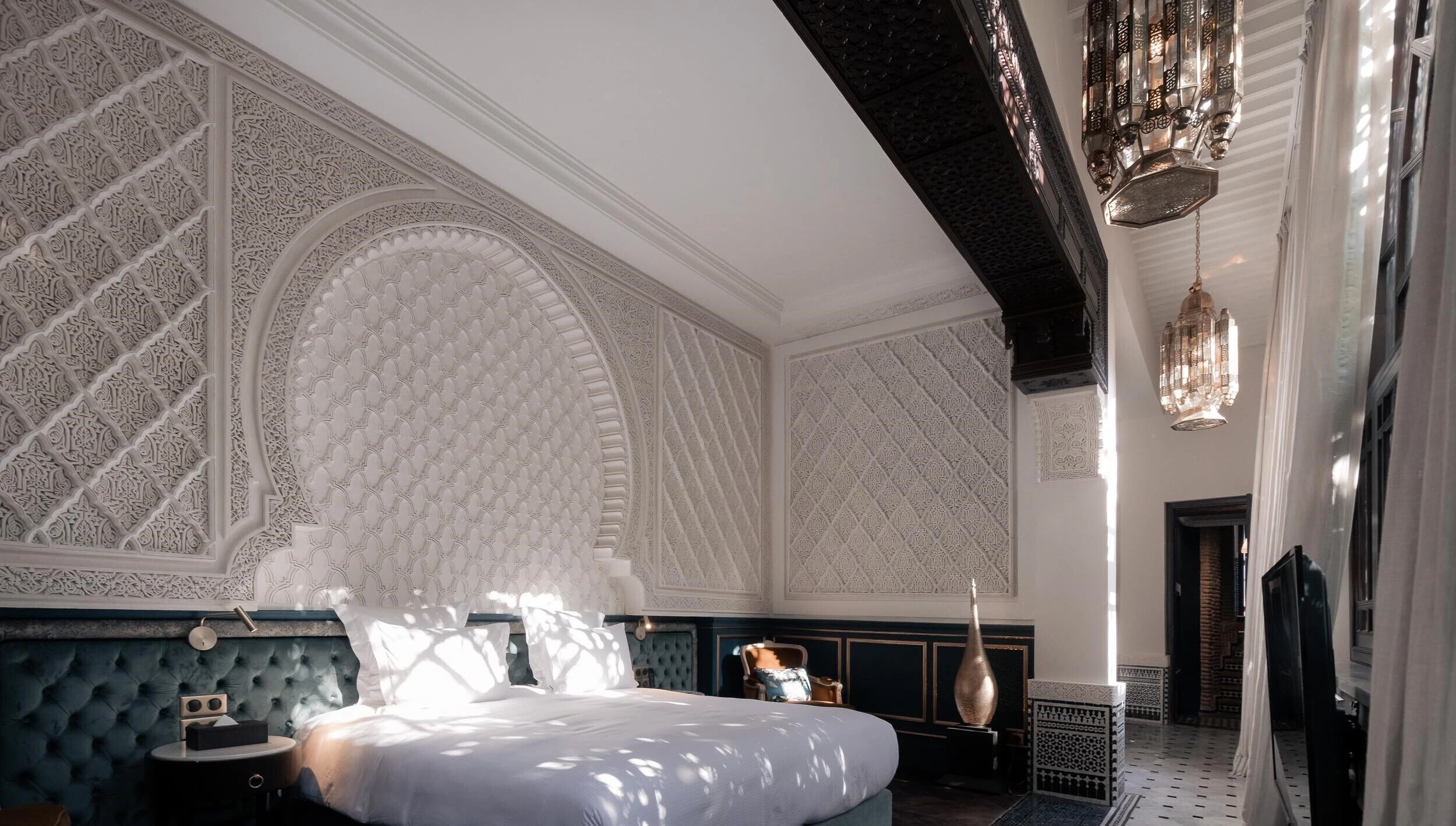
The rooms circle around this courtyard—the traditional Moroccan way of building. Carved wooden ceilings, thick walls that keep out the heat, and that constant sound of water. This is how Moroccan families built their homes when they wanted privacy and shade from the desert sun.
Fès, Morocco | 17th-century traditional house with original tilework and courtyard
Book your Stay at: Riad Fès – Fès, Morocco
Riad Kniza – Marrakech, Morocco
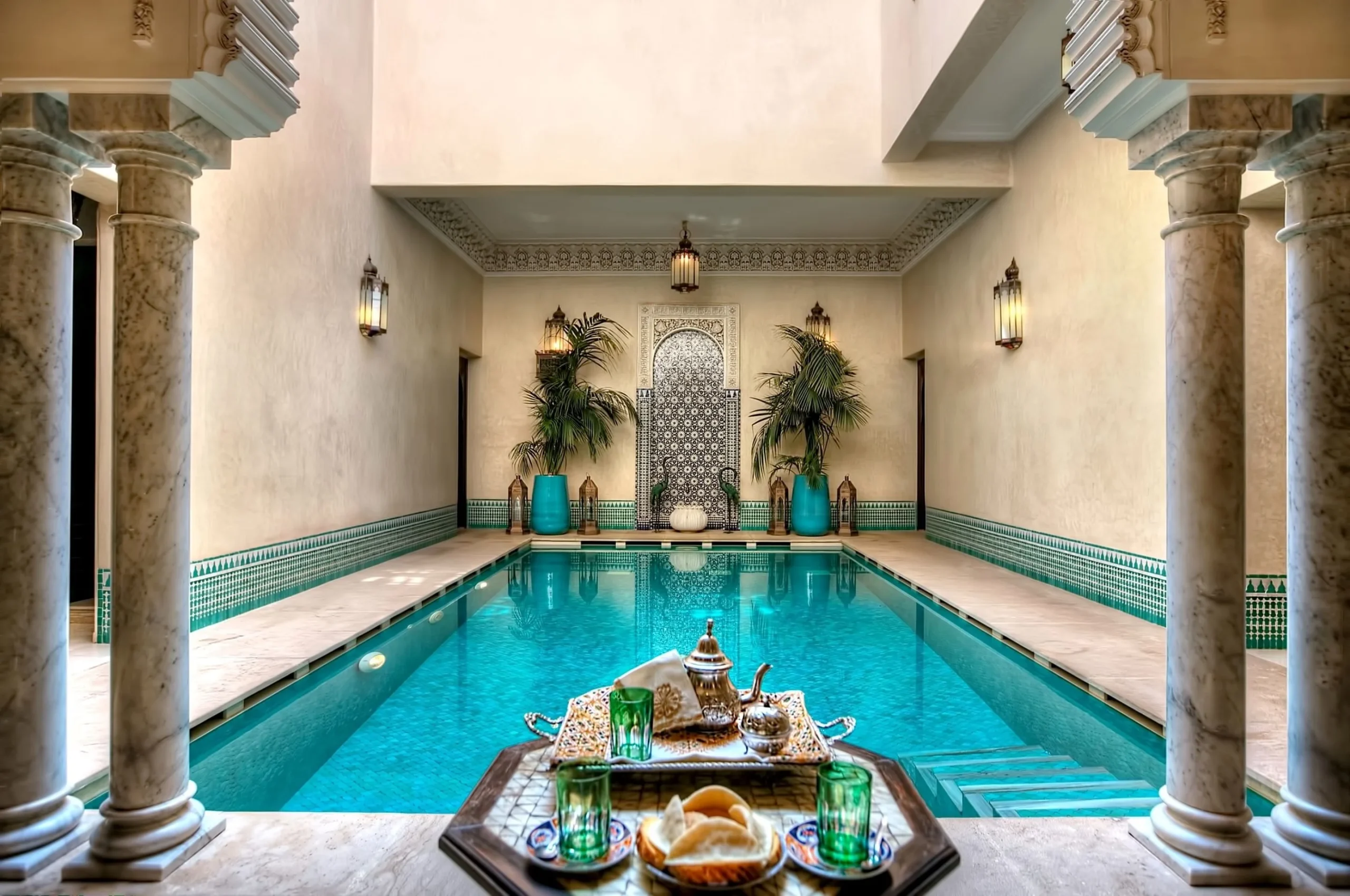
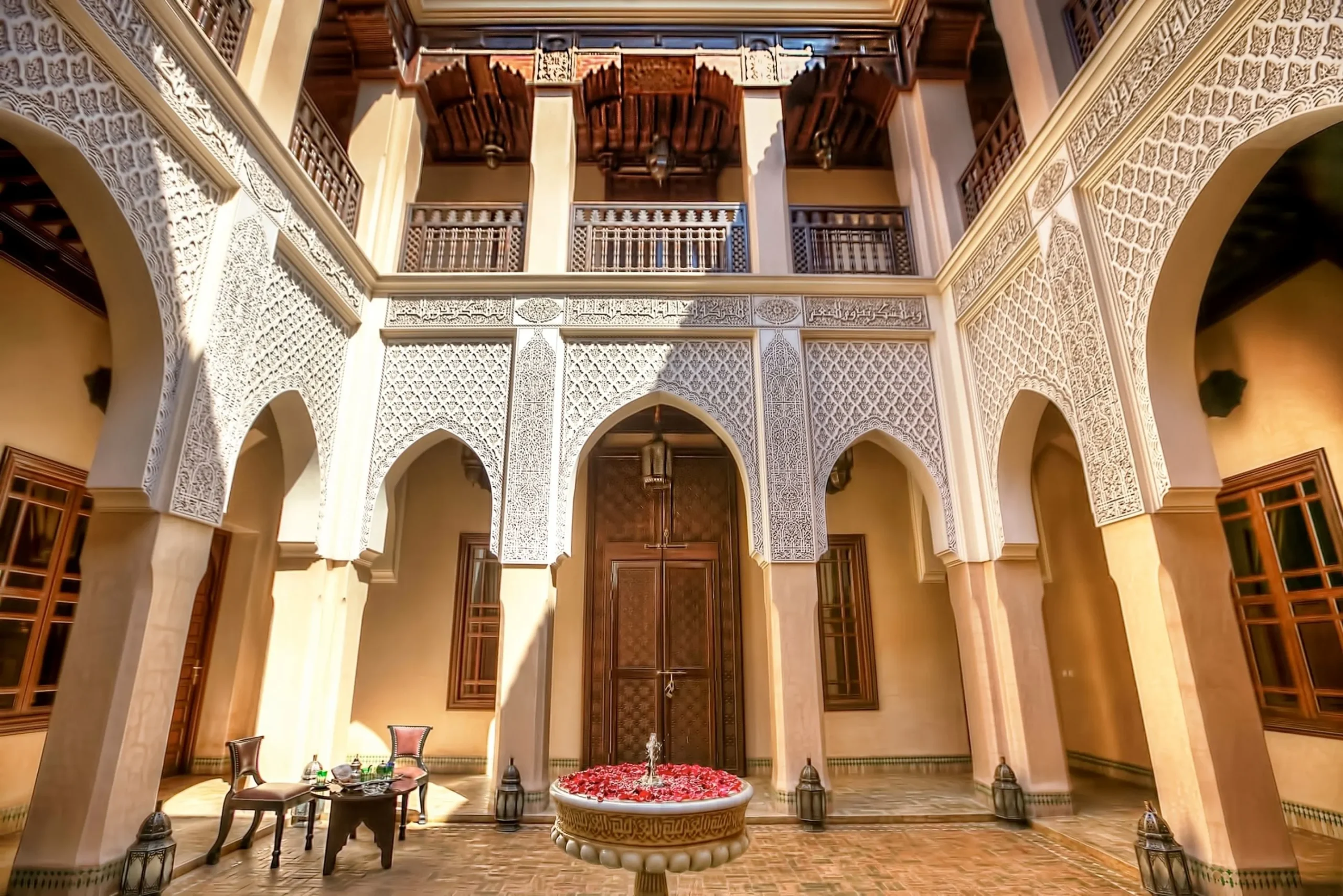
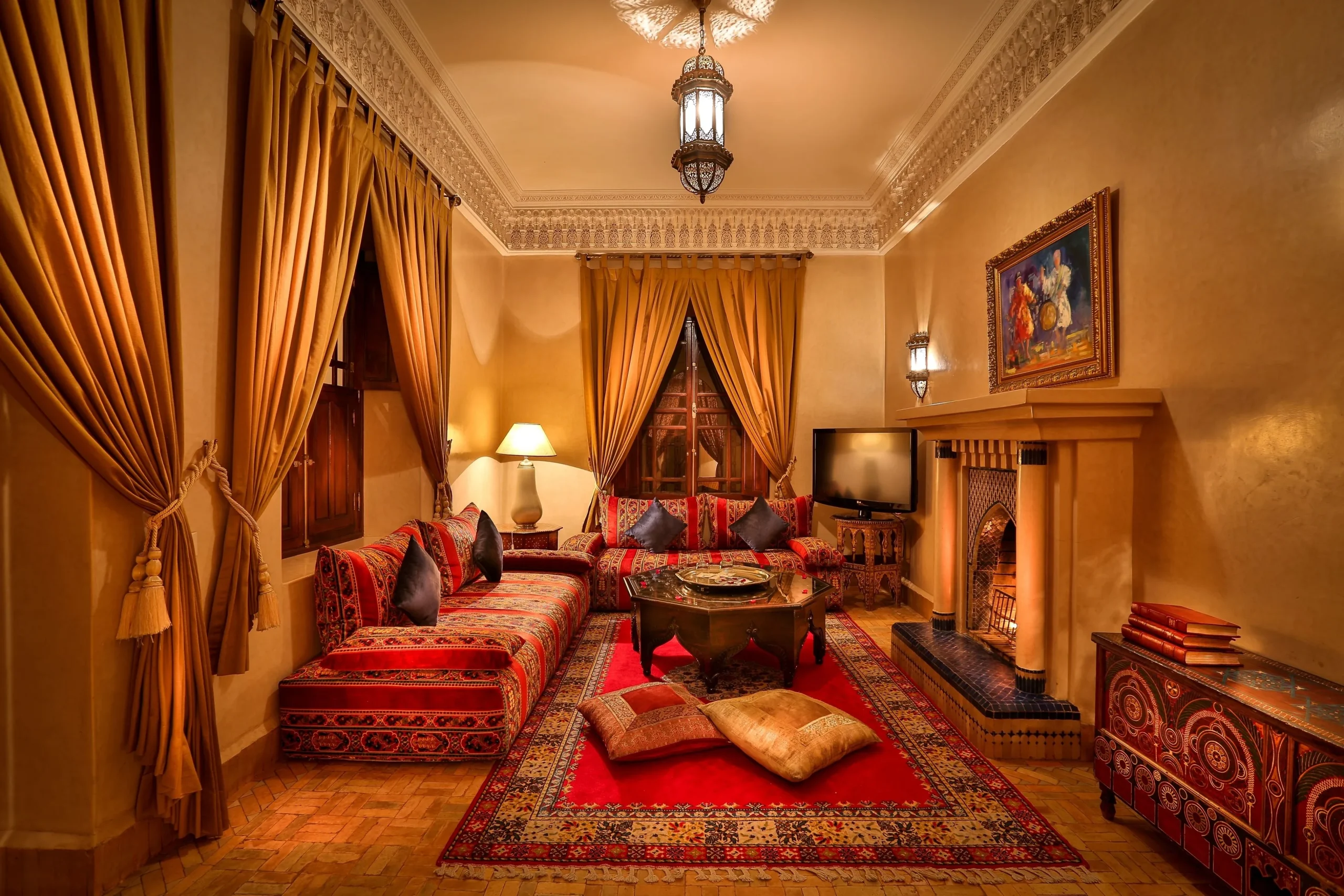
An 18th-century merchant’s house in the heart of Marrakech’s medina, carefully restored over decades. Three traditional courtyards connect the rooms — each one shaded, tiled, and centered around a fountain.
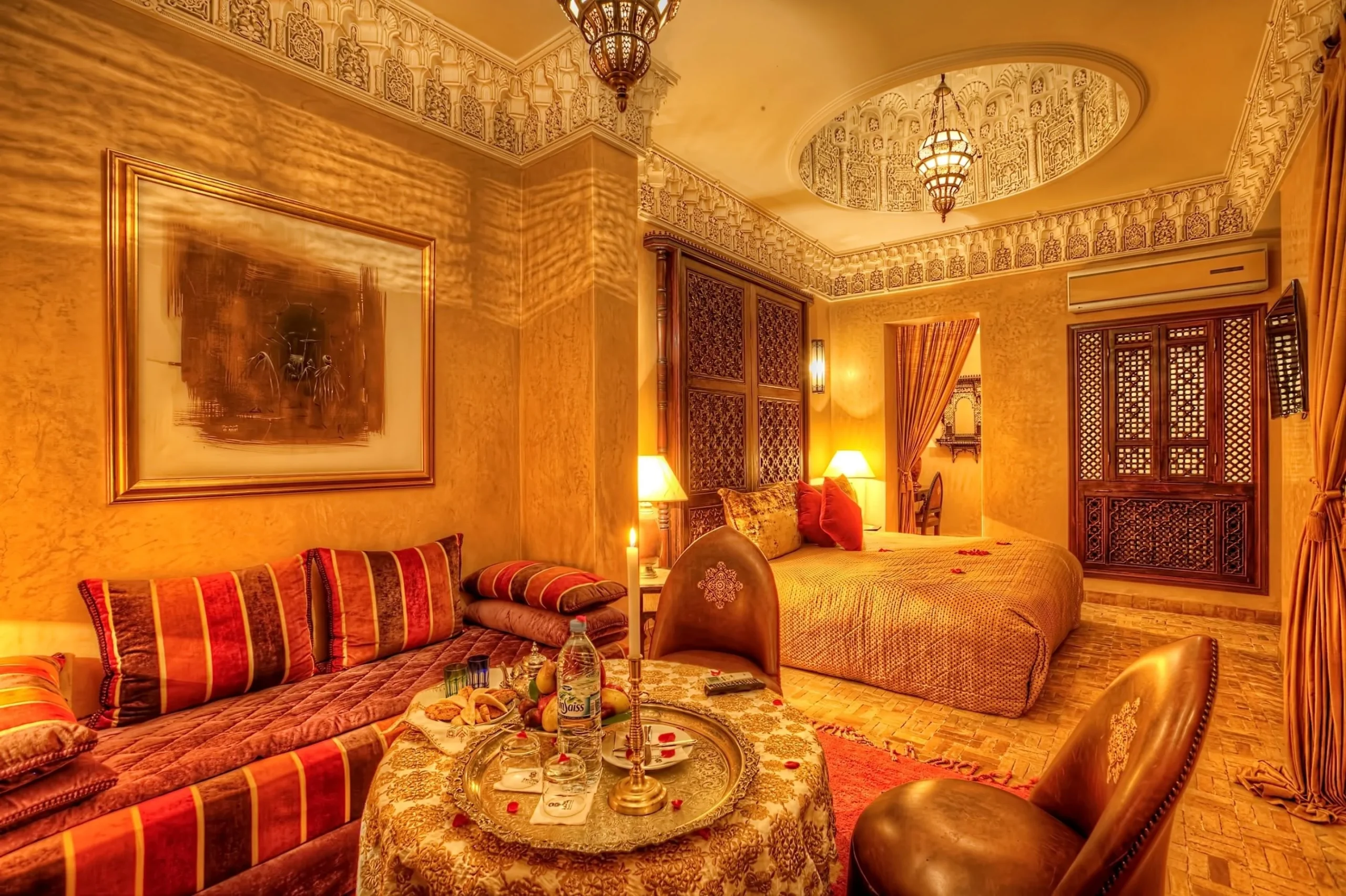
The rooms sit behind thick walls that block out the noise of the souks. Inside, hand-carved plasterwork and painted cedar ceilings show the level of craft that went into buildings like this. It’s a reminder of what Marrakech looked like before the city grew around it.
Marrakech, Morocco | 18th-century medina house with three traditional courtyards
Book your Stay at: Riad Kniza – Marrakech, Morocco
Riad Laaroussa – Fès, Morocco
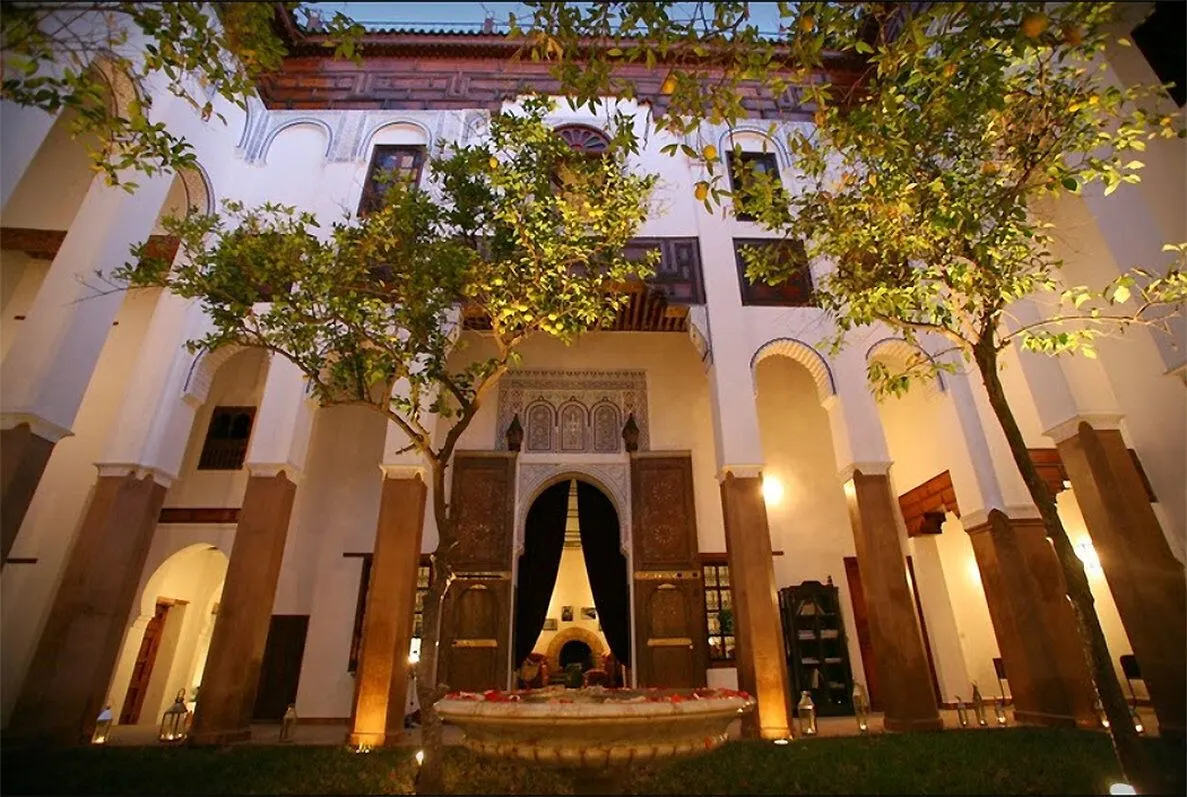
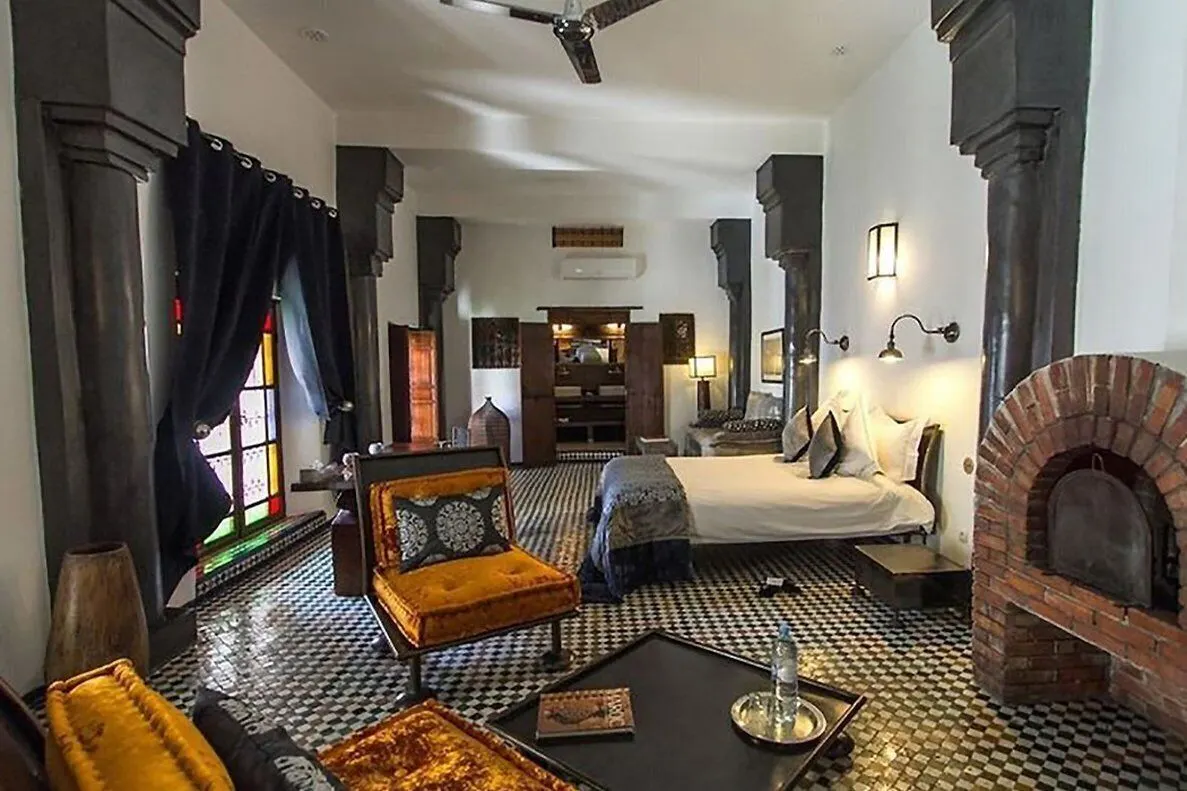
A 17th-century palace in the Fès medina, built around a courtyard shaded by orange trees. The rooms were once traditional salons — original mosaic floors, painted wood ceilings, and hand-carved plasterwork still intact.
The building was designed to turn inward. High walls, small exterior windows, and a central courtyard that catches the breeze. It’s a design that has worked in this climate for centuries, and it still does.
Fès, Morocco | 17th-century palace with original mosaic floors and citrus courtyard
Book your Stay at: Riad Laaroussa – Fès, Morocco
Palais Faraj – Fès, Morocco
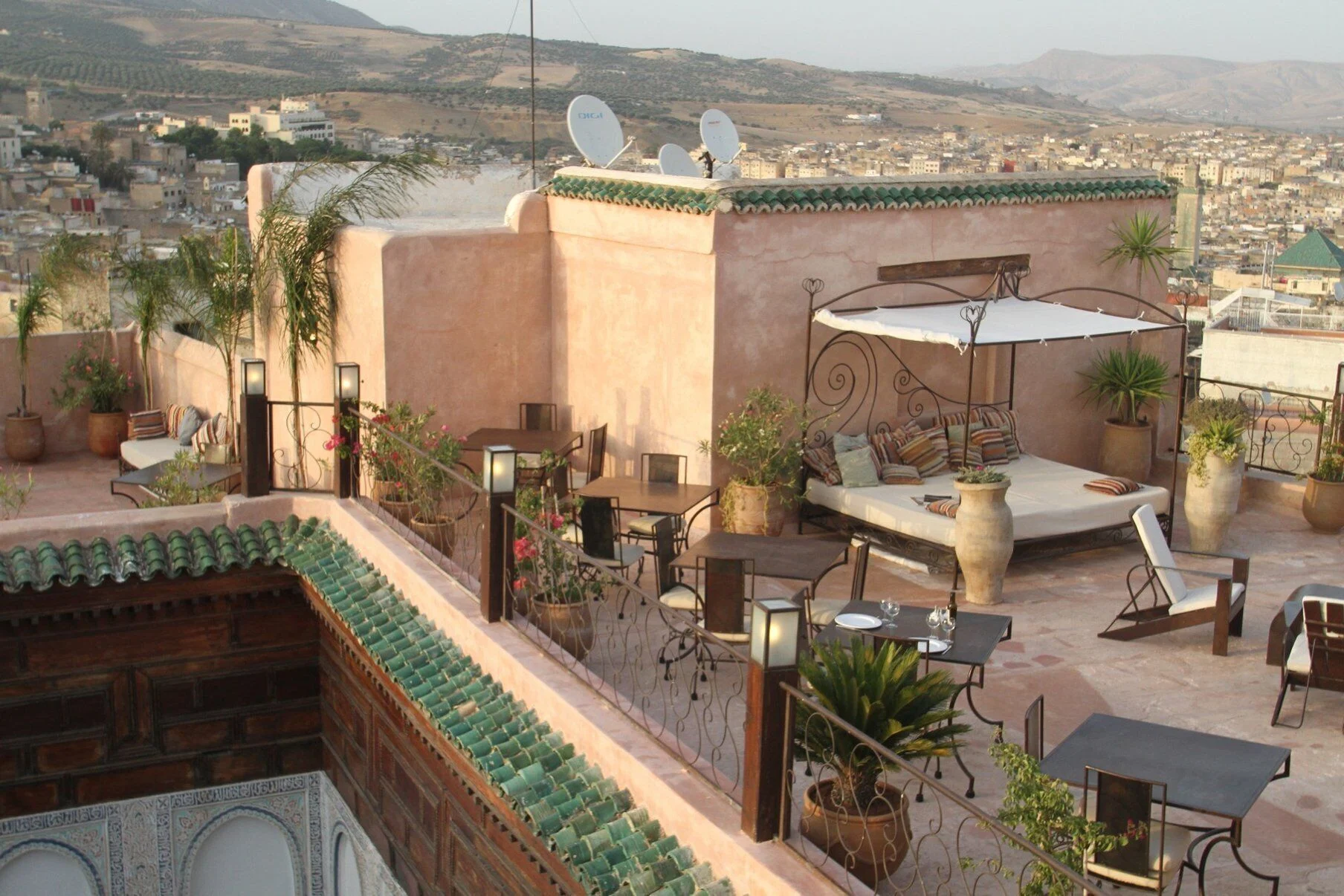
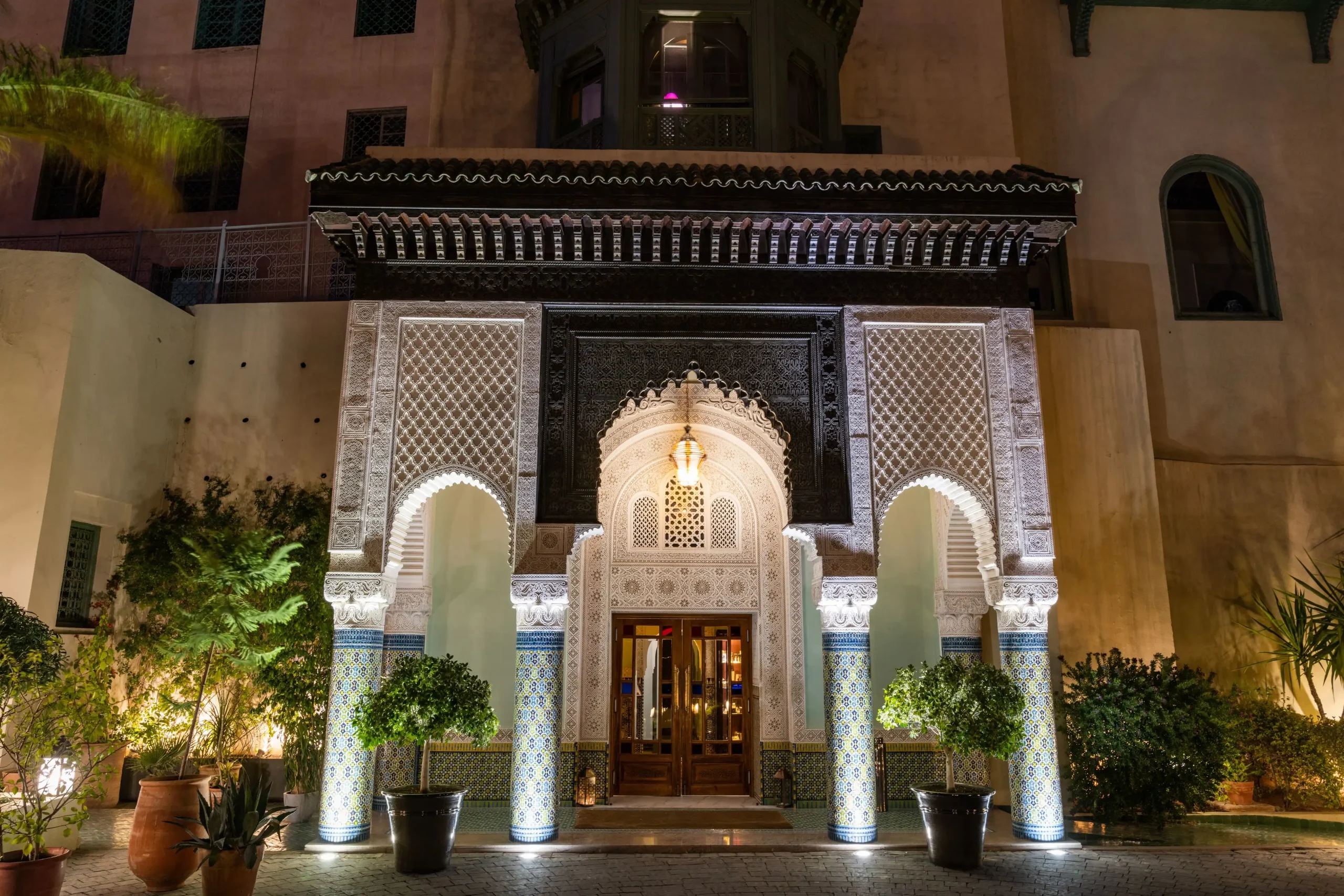
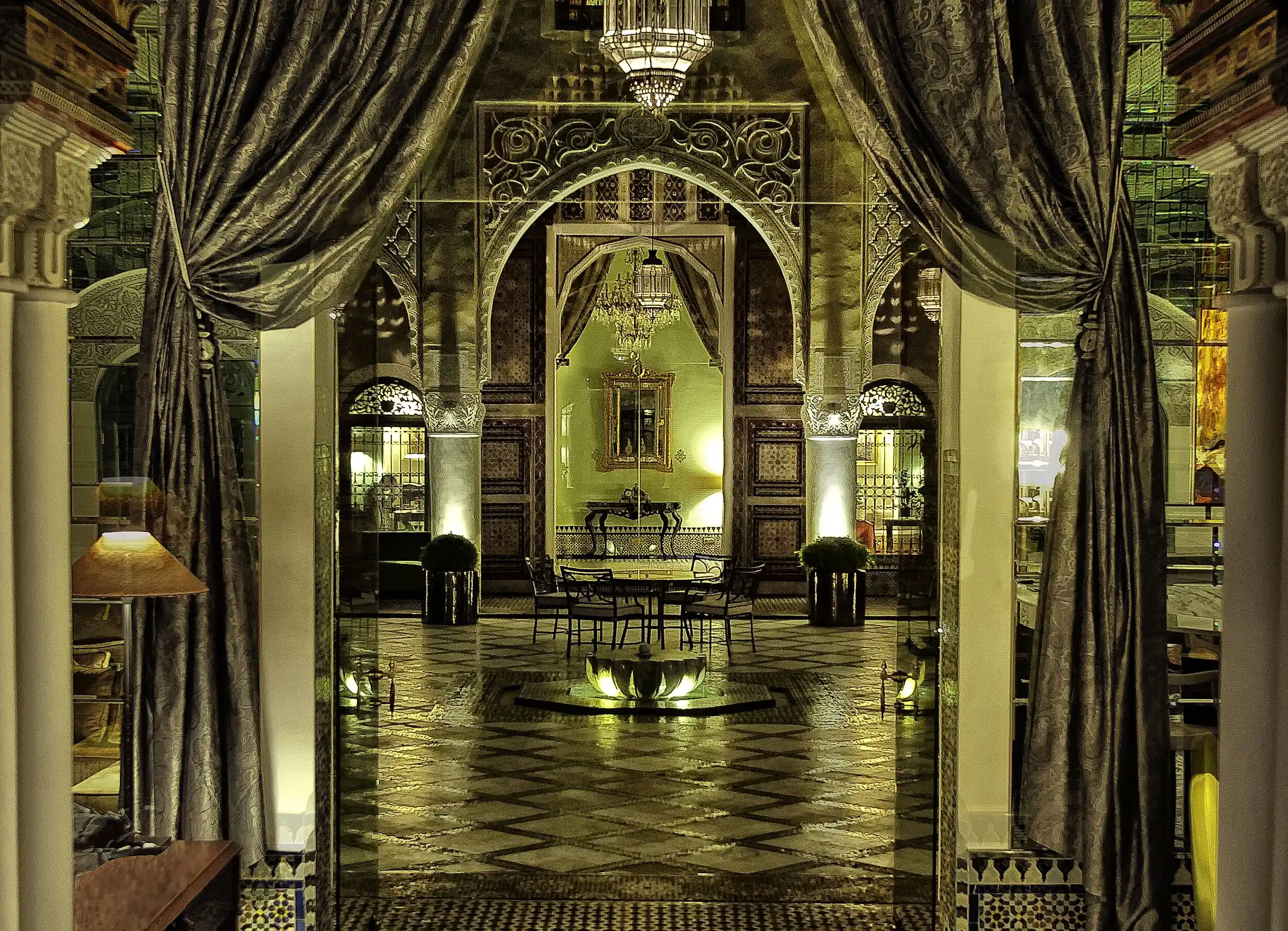
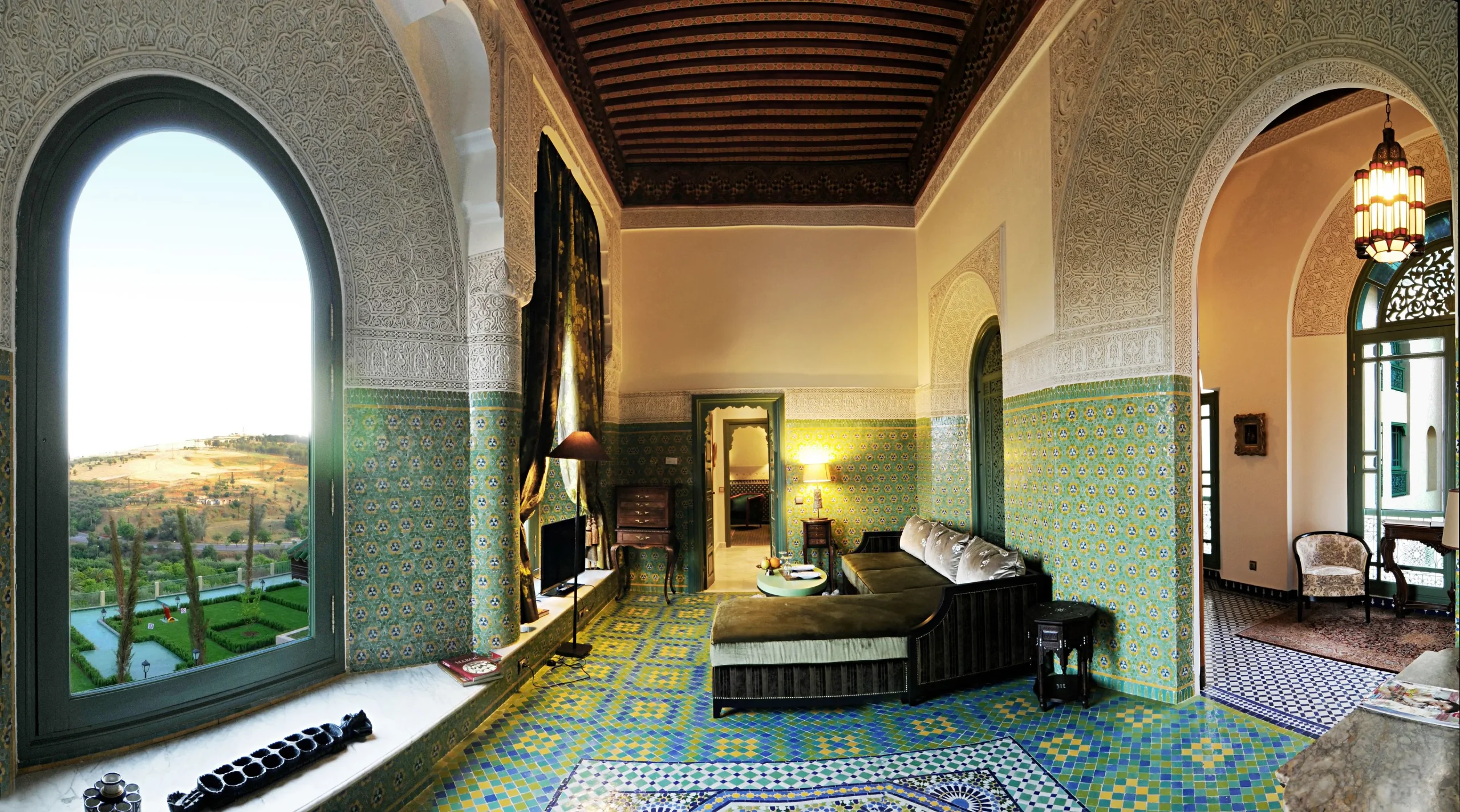
Built in the 19th century by the Bensouda family, Palais Faraj sits on a hill above the medina. Long abandoned, it was restored in 2012 by Fassi craftsmen who salvaged the original zellige tiles, hand-carved stucco, and painted ceilings — bringing the building back without erasing what time had left behind.
From the terraces, the view stretches across the medina and the surrounding hills. The light shifts throughout the day and changes the mood of the whole place. It’s one of the few riads in Fès where the architecture and the landscape work together this clearly.
Fès, Morocco | 19th-century palace restored by local craftsmen, overlooking the medina
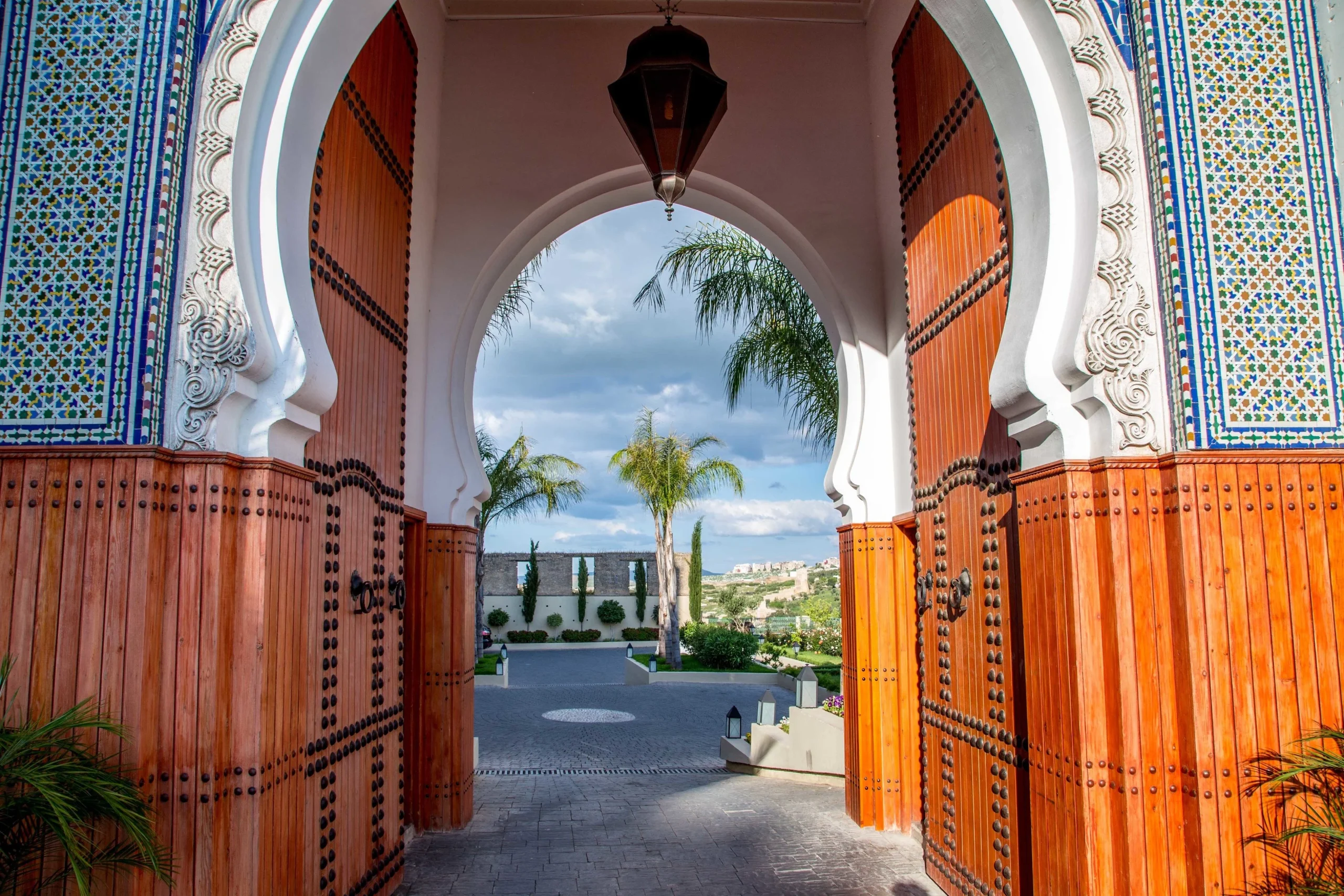
Book your Stay at: Palais Faraj – Fès, Morocco
Riad Al Madina – Essaouira, Morocco
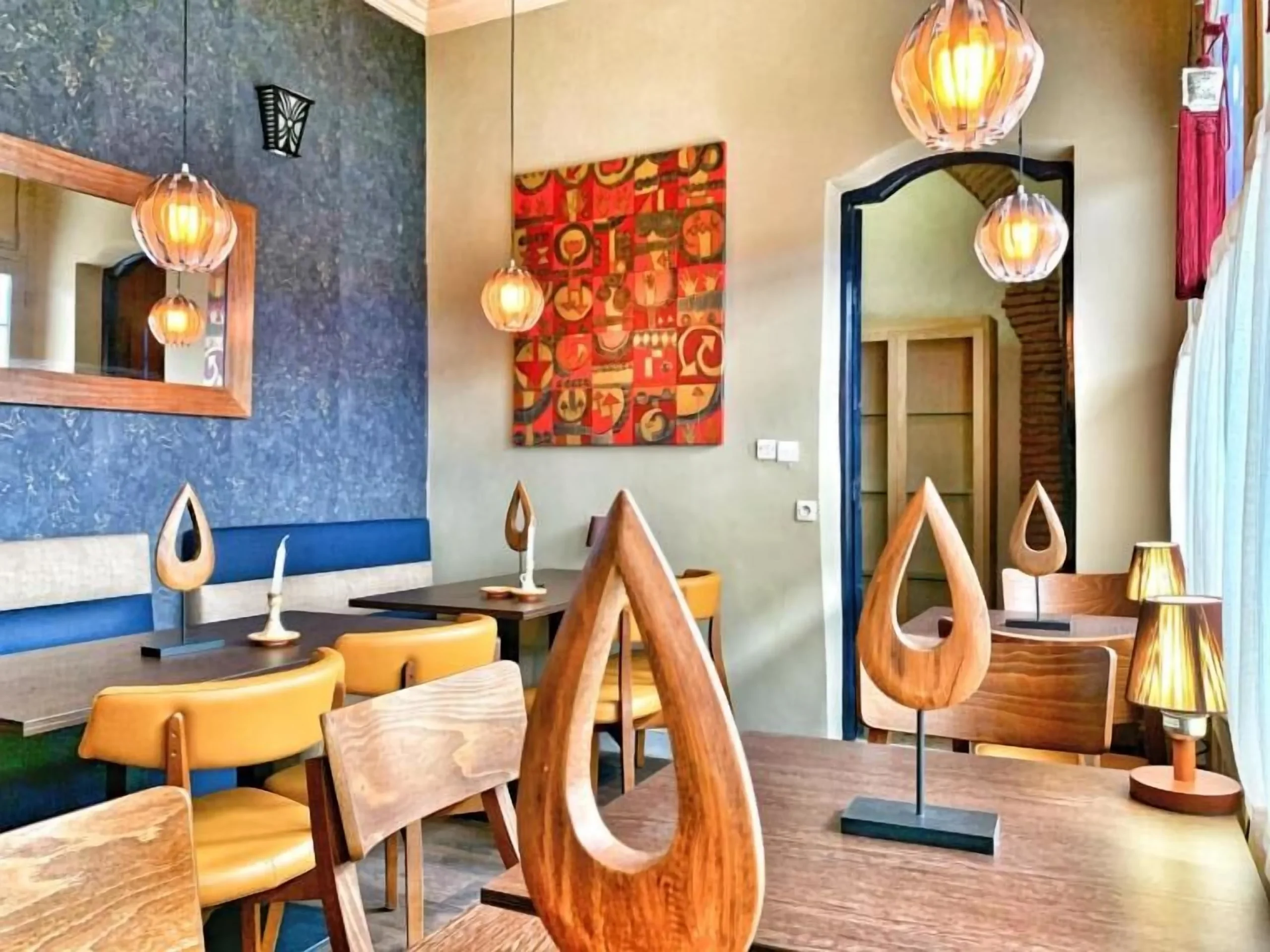
Essaouira sits on the Atlantic coast, and its architecture shows it. The buildings here are built to handle ocean winds — thick walls, narrow streets, and courtyards that provide shelter. Riad Al Madina is one of the oldest buildings in the medina, with a central courtyard surrounded by painted archways and local tilework.
The coastal light here is different from inland Morocco. It comes in softer, and the white-washed walls reflect it in a way that makes the whole space feel open even when the rooms are small.
Essaouira, Morocco | Historic coastal medina riad with Atlantic-facing architecture
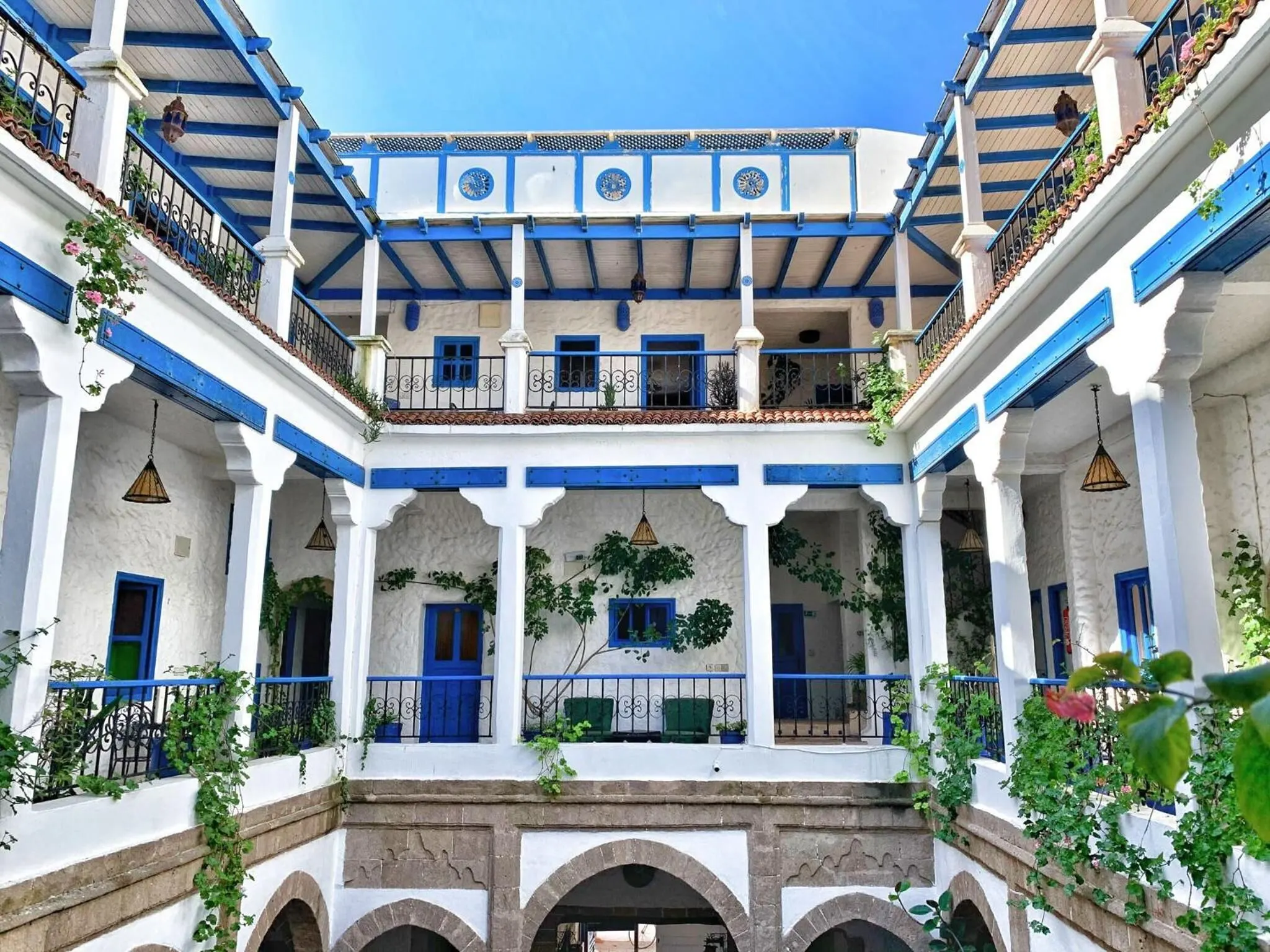
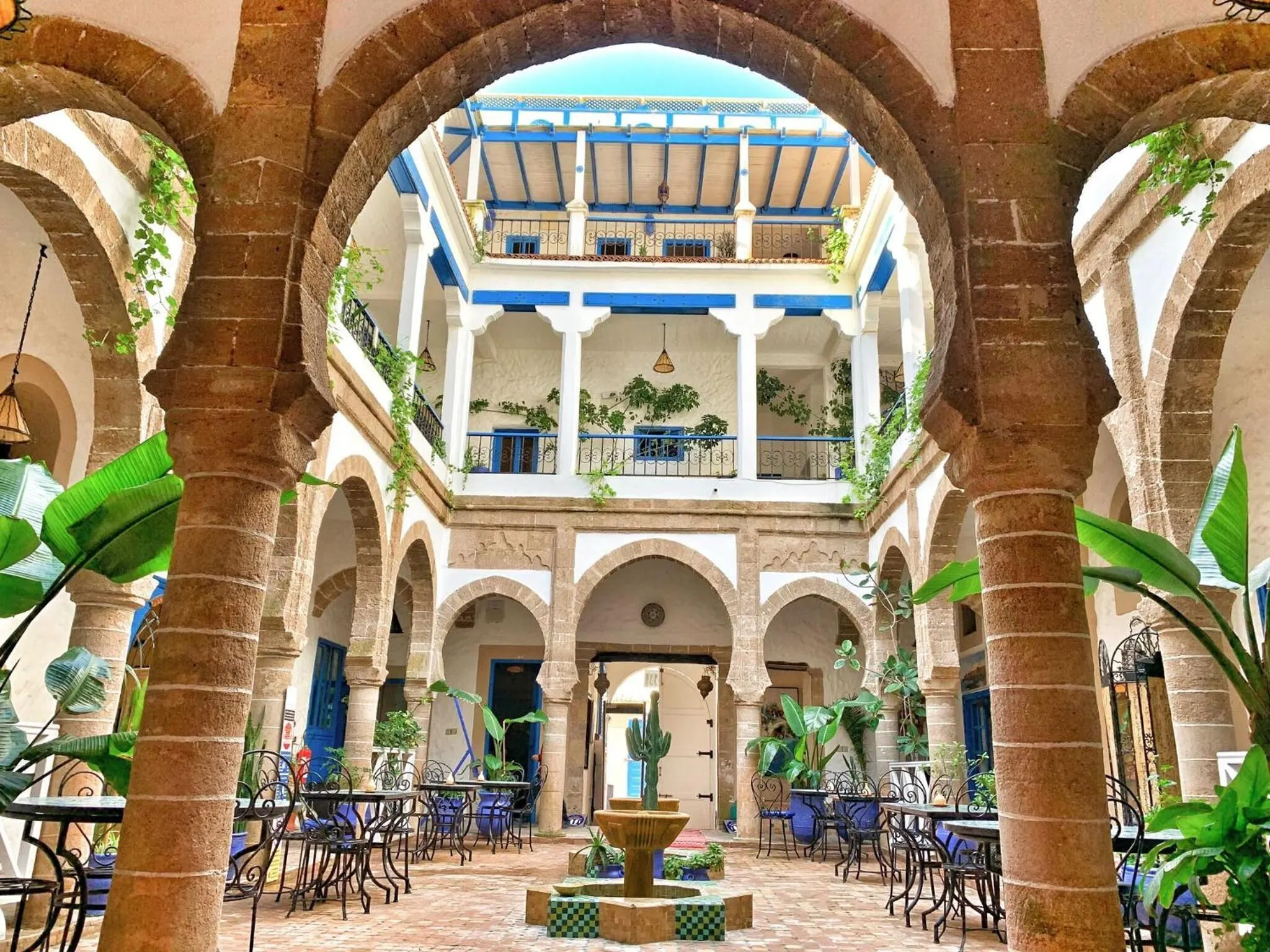
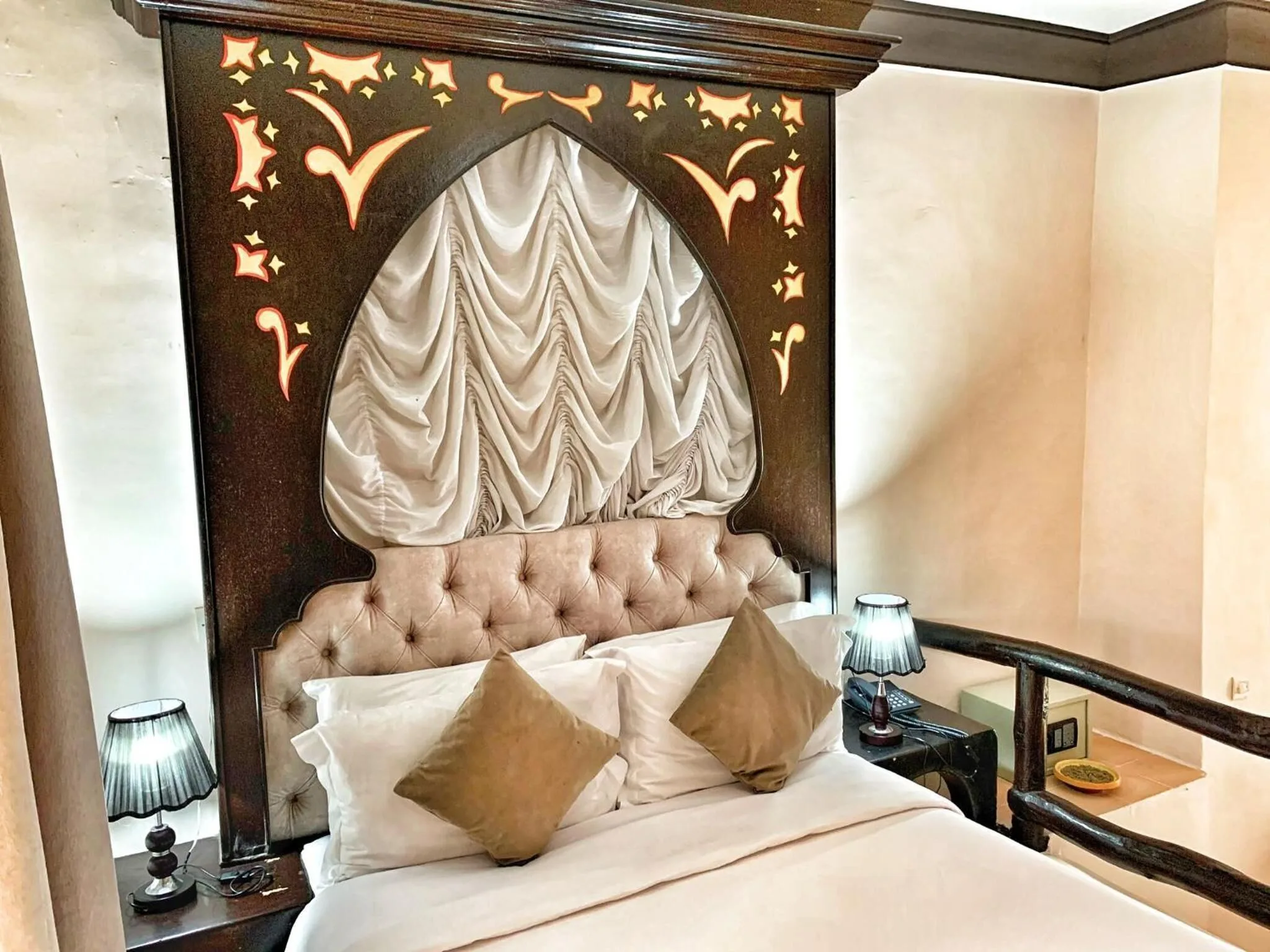
Book your Stay: Riad Al Madina – Essaouira, Morocco
Riad Rêve De Samir – Marrakech, Morocco
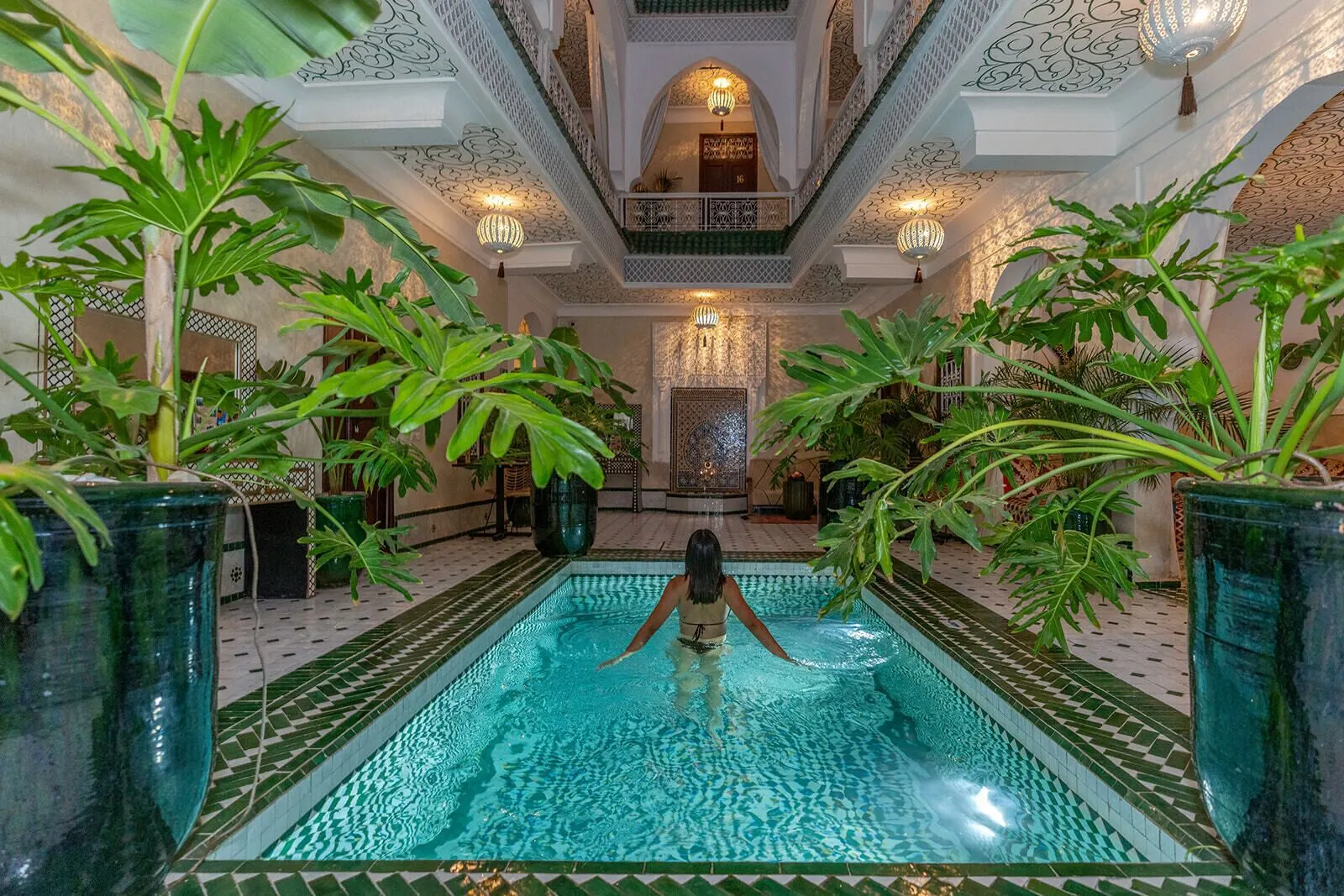
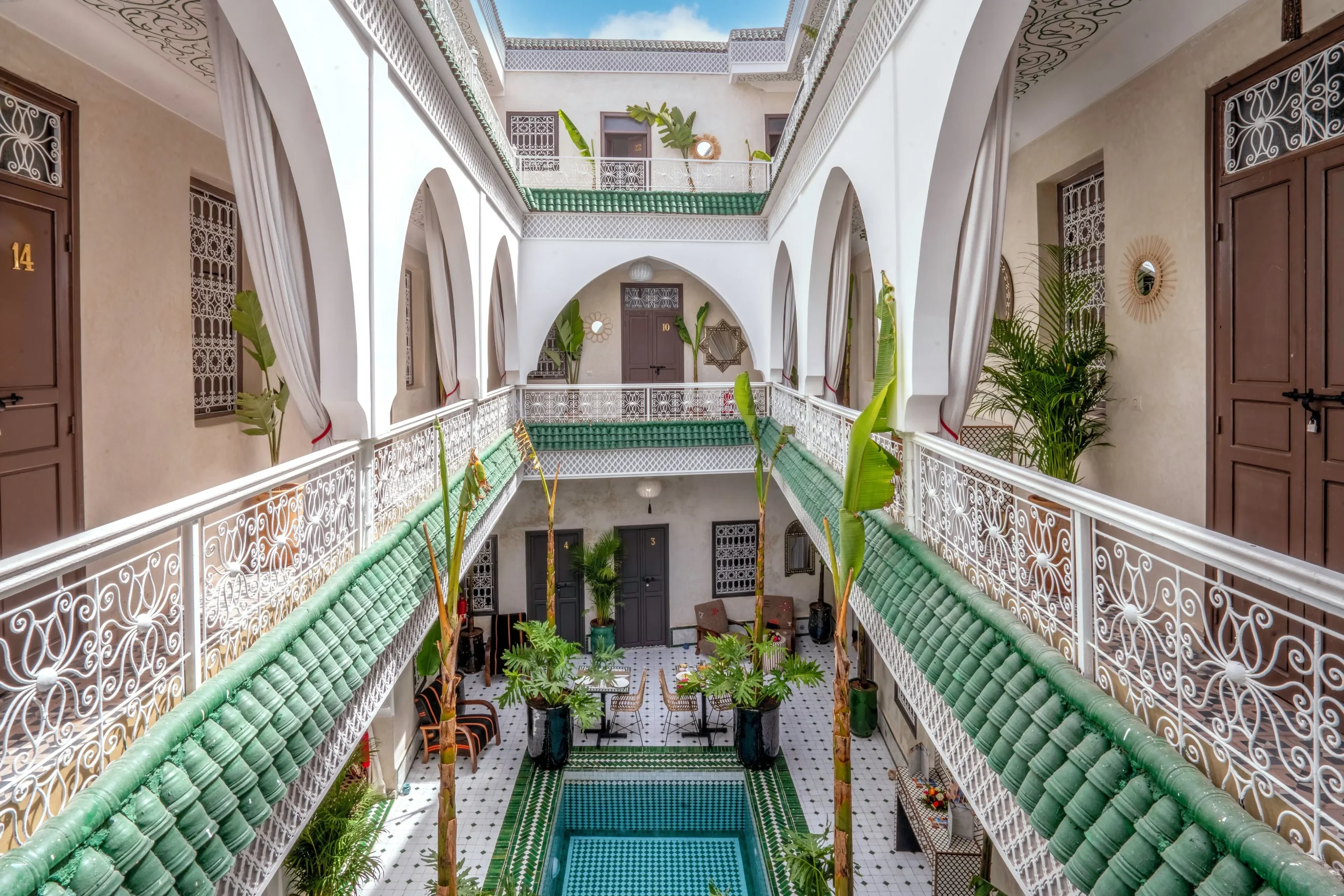
Deep in the medina, a few minutes from Jemaa el-Fnaa, Riad Rêve De Samir turns inward the way all good riads do. The street outside is narrow and busy. Inside, the courtyard is quiet.
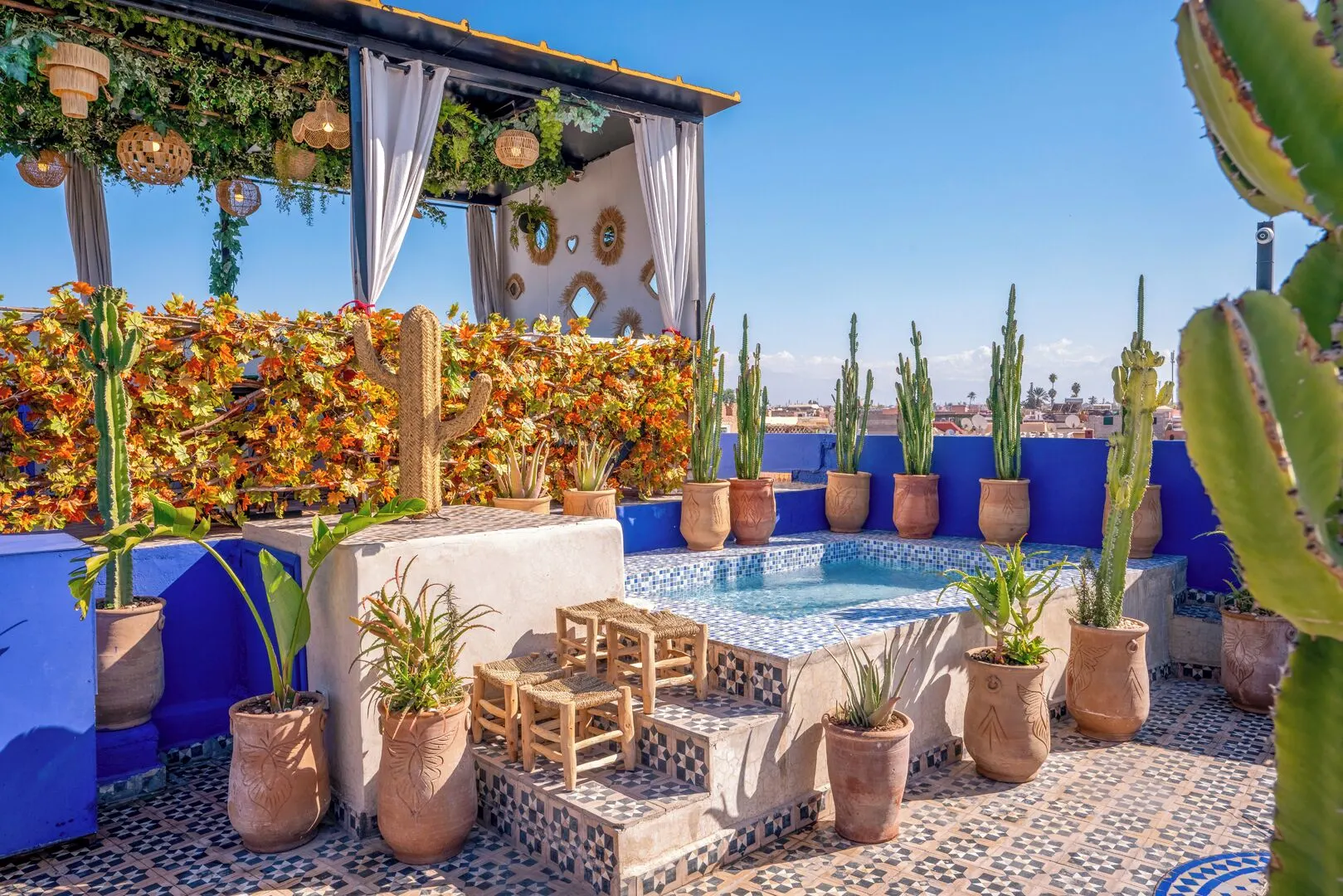
The architecture follows the traditional pattern — rooms arranged around a central space, carved wooden details, classic tilework on the walls. What makes it different is how the contemporary touches sit alongside the old ones without competing. The proportions stay true to the original building. The light still moves the same way it always has in houses built like this.
It’s a smaller riad, which means the spaces feel personal rather than grand. A place where the medina’s noise stays outside, and the architecture does exactly what it was designed to do.
Marrakech, Morocco | Traditional medina riad with carved woodwork and classic Moroccan tilework
Book your Stay: Riad Rêve De Samir
Programs
- Sahara Desert Tour
- Balloon Flight
- Agafay Desert Quad
- Camel Rides
- Ourika Waterfalls
Why These Riads Matter
Riads weren’t built for tourists. They were built for families who wanted shade, privacy, and beauty in a hot, crowded city. The courtyard is the heart of the design — everything faces inward, toward the fountain and the sky.
When you stay in one, you’re inside a building type that has worked in this climate for over a thousand years. And it still does.
Discover more hotels where history shapes the experience. Explore the Historic Soul collection.